

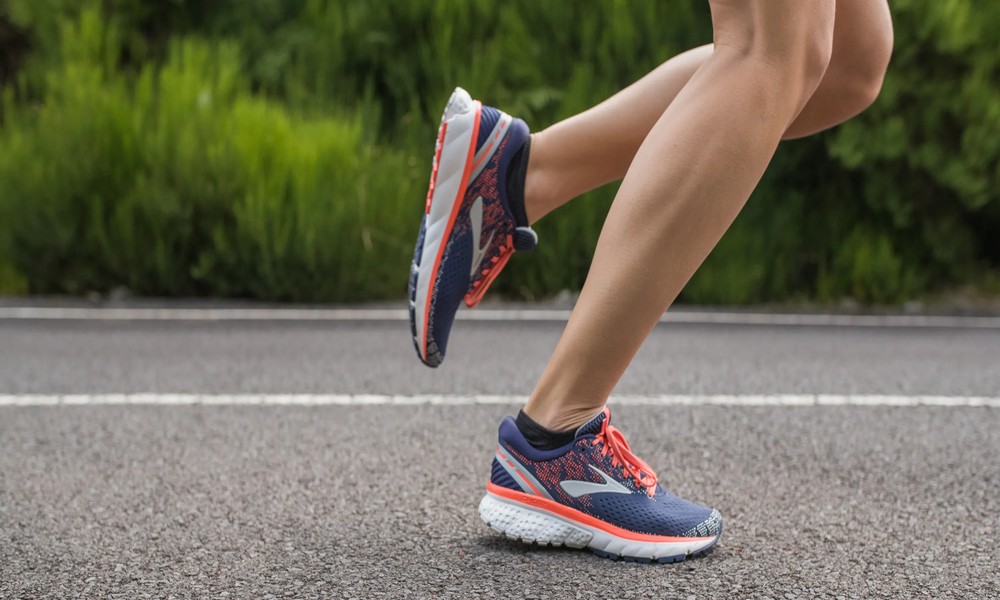

The feet of women differ anatomically to the feet of men, with the heels being narrower, and the arches being different shaped. Correct running shoes for women deal with these differences and have direct effects on performance and injury prevention. This guide gives the reasons as to why women require running shoes which are unique to their feet.
The merits of running shoes designed for women
Female specific design features
The placement of cushioning and the width of heels of women running shoes differ with those in unisex and men’s running shoes. A thinner heel avoiding slipping and place of arches correspond to an average female foot. The design attributes that work in favor of women runners include:
- Narrower heel pocket: The snug heel fit is harder to slide, and avoids the friction that causes blisters in the feet as well as wastage of energy.
- Softer forefoot cushioning: Women are generally more fat in the lower part of the body and need different density of foam compared to men.
- Lower arch placement: The position of the arches of females is slightly different; providing the arches in the right position, where women really need support.
- Metatarsal bump location: The placement of the forefoot pad is in accord with normal female anatomy and enhances push-off.
- Lighter overall weight: Shoes of women are made with a smaller last and less material, and have lower energy content per stride.
Injury prevention for common female issues
Females are at an increased risk of some running injuries such as stress fractures and ACL tears. Special design provides adequate protection against such risks with the aid of proper shoes. These are the injury preventive advantages of women running shoes:
- Stress fracture reduction: Proper cushioning of the forefoot minimizes forces of impact that lead to metatarsal and tibial stress fracture.
- ACL strain protection: Lateral support mechanisms will limit undue ankle roll, which is capable of transmitting a torque to the knee.
- IT band syndrome prevention: Proper arch support decreases the rotational forces straining the iliotibial band of outer knee.
- Avoidance of plantar fasciitis: Heel cushioning and arch support lessens stress forces on the ligament of plantar fascia beneath the foot.
- Blisters and hot spots: Anatomically correct heel and toe boxes will eliminate friction which results in painful blisters.
Performance enhancement for women runners
Proper running shoes enable female athletes to train more, and to recover quicker. Instead of moving about fruitlessly, the right shoe transmits more of the energy into forward movement. These are the performance advantages of women-specific running shoes:
- Improved running economy: The snug fit decreases internal foot motion, which conserves energy which is reflected in quicker times.
- Better ground feel: Well positioned cushioning does not compromise protection and enhances trail in course stability.
- Enhanced push-off power: A secure heel and mid foot permits the calf muscles to push the foot forward with more force.
- Faster cadence potential: The lighter weight of women’s shoes will enable a higher rate of leg turnover which may lead to a higher speed without unnecessary strain.
Choosing the right shoe for different sports
Not every athletic shoe can be used, running shoes are not cross-trainers or court shoes. To excel and not to become injured women require sport-specific footwear. The following are sport-specific considerations of athletic shoes in women:
- Trail running shoes: aggressive treads, protection plates and tough uppers in the face of rugged and loose uneven colors.
- Track spikes: Minimal cushioning, fixed plates and spike plates to go fastest on rubberized track.
- Cross training shoes: Flat surfaces and tacky soles to use in gym sessions, rather than in distance running.
- Walking shoes: They have softer cushioning and more rocker motion than running shoes, and are made to heel-to-toe walking gait.
Conclusion
Women specific running shoes enhance athletic performance because of a superior fit, injury prevention, and energy consumption. Female athletes who wear footwear with gender-specific designs wear more and train harder, are faster to recover and run faster than those who wear unisex or men footwear. Investing in the right pair is an investment that will help in a lifetime of healthy fun running.

The Importance of Running Shoes for Women in Athletics
Ideas to Purchasing the best Rugby Package for the Child