



DEK hockey is a fast, skill-based game that demands precision, control, and speed. Unlike ice hockey, where players glide on skates, DEK hockey is played on dry, hard surfaces — which means your stick takes more impact and wear. The type of stick you choose directly affects your handling, shooting, and overall performance. Picking the right one is essential if you want to move quickly, pass accurately, and shoot with power.
Here’s a complete guide to choosing the perfect DEK hockey stick for your surface, play style, and skill level.
1. Understand the Difference Between Ice and DEK Hockey Sticks
The first step is understanding that DEK hockey sticks are built differently from ice hockey sticks. They’re specifically engineered for surface play — meaning they’re made to handle friction, rougher textures, and direct contact with plastic balls rather than pucks.
Key differences include:
- Blades: DEK hockey blades are reinforced for better durability on asphalt or sport tiles.
- Flex: Typically stiffer to maintain shot power without over-bending.
- Materials: Designed to resist surface abrasion and maintain consistent performance.
Choosing a DEK-specific stick ensures longevity and better control during fast-paced games.
2. Match the Stick to Your Playing Surface
Not all DEK hockey courts are the same — some are smooth, others slightly abrasive. The surface you play on determines what type of stick performs best.
2.1 Sport Court or Plastic Tile Surfaces
- Best suited for composite or ABS blade sticks.
- Offers smoother play and less friction, allowing for faster handling.
2.2 Concrete or Asphalt Surfaces
- Requires reinforced ABS or hybrid blades to prevent wear and chipping.
- A wood or composite shaft with an ABS blade provides great balance and durability.
Always choose a stick designed for your playing surface — it’s the difference between lasting one season or several.
3. Choose Between Composite, ABS, or Wood Sticks
Each stick material offers unique advantages. The best option depends on your playing style and how often you play.
3.1 Composite Sticks
- Lightweight and responsive for precise shooting and quick puck (or ball) control.
- Ideal for competitive players seeking speed and accuracy.
- May wear faster on rougher surfaces unless the blade is reinforced.
3.2 ABS Sticks
- Specifically designed for outdoor and DEK play.
- Resistant to friction, cracks, and chips.
- Slightly heavier but extremely durable — a great all-around choice for casual and league players.
3.3 Wood Sticks
- Traditional feel and solid puck handling.
- Affordable and easy to control but heavier and less durable.
- Works well for beginners or those who prefer old-school balance.
If you play regularly outdoors, a composite shaft with an ABS blade provides the best of both worlds — lightweight handling with excellent durability.
4. Get the Right Flex for Your Playing Style
Flex determines how much the stick bends during shots and passes. Because DEK hockey balls are lighter than ice hockey pucks, a slightly stiffer stick helps maintain control and power.
- Low flex (40–60): Good for youth or beginners who need better handling.
- Mid flex (70–85): Ideal for most adult players, offering balance between control and shooting strength.
- High flex (90+): Suitable for stronger players or defenders who take long, powerful shots.
The rule of thumb: your stick’s flex rating should be roughly half your body weight in pounds.
5. Pick the Correct Curve Pattern
Your blade curve has a direct impact on your gameplay — affecting passing, shooting, and ball control.
5.1 Mid Curve
- The most versatile option.
- Great for accurate passes and balanced wrist or slap shots.
5.2 Toe Curve
- Offers quick release for close-range shooting and fast ball handling.
- Favored by offensive players who play near the net.
5.3 Heel Curve
- Provides stronger, more powerful shots.
- Common among defenders who take longer shots from distance.
Experiment with different curves until you find one that matches your handling and shot preferences.
6. Choose the Right Blade Lie
The blade lie determines how the stick sits on the playing surface when in your natural stance. Too high or too low, and you’ll lose ball control.
- Low lie (4–5): Blade lies flatter — better for upright players.
- High lie (6–7): Keeps heel down — ideal for players with a lower stance or aggressive posture.
The perfect lie ensures full blade contact with the surface, improving control and shooting accuracy.
7. Pay Attention to Blade Finish and Texture
A smooth, slick blade may glide well on sport tiles but can lose grip on concrete. For surface play, choose a blade with a matte or slightly textured finish to maintain consistent ball contact.
Some players use tape strategically on their blade to adjust grip and control based on the playing surface.
8. Stick Length and Balance
Length affects your range, control, and comfort. As a general guideline:
- The stick should reach between your chin and nose while standing in shoes.
- Shorter sticks enhance control and dangles; longer ones improve reach and defensive coverage.
Also, check the balance — a good stick should feel light and evenly weighted, without being too blade-heavy or top-heavy.
9. Grip or Clear Shaft
Grip preference is personal, but it influences how you handle the stick during fast-paced DEK play.
- Grip shafts: Offer better hand control and help prevent slippage during quick movements.
- Clear shafts: Allow faster hand transitions and smoother maneuvering.
If you sweat heavily or play outdoors often, a light grip coating can help maintain control without restricting hand movement.
10. Test Before You Buy
The best way to find your ideal stick is to test different models. See how each flexes, handles, and performs on the surface you play on most.
Visit a trusted DEK hockey retailer like Liquida Sport DEK hockey stick to explore professional-grade options and expert advice. Their specialists can help you match the perfect material, curve, and flex to your playing surface and skill level — ensuring optimal comfort, power, and control.
Conclusion
Choosing the right DEK hockey stick isn’t about picking the most expensive model — it’s about finding one that suits your playing surface, style, and performance goals. A well-chosen stick enhances precision, increases shot accuracy, and lasts longer against rough surfaces.
Focus on material quality, blade durability, flex, and comfort. Once you find a stick that feels natural in your hands, your control and confidence on the court will improve instantly. The right stick doesn’t just fit your game — it elevates it.


The Importance of Running Shoes for Women in Athletics
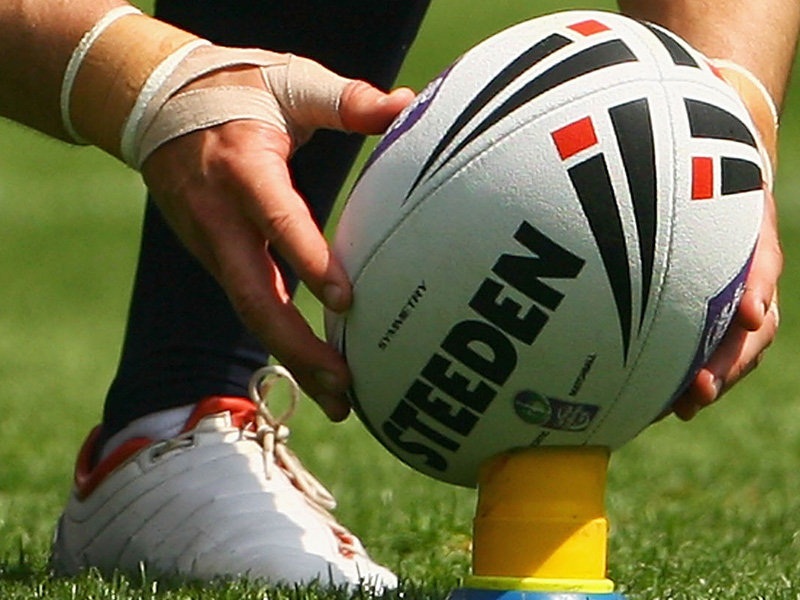
Ideas to Purchasing the best Rugby Package for the Child